Understanding Wellness and Its Importance
In today's fast-paced world, the concept of wellness has transcended beyond mere absence of illness to embody a comprehensive approach to health that includes physical, mental, and emotional domains. As a holistic model, wellness provides a framework that empowers individuals to take control of their health and enhance their quality of life. rokok 88 offers insights into how embracing various wellness practices can lead to transformative life changes.
What is Wellness and How Does it Affect Us?
Wellness is an active process of becoming aware of and making choices toward a healthy and fulfilling life. It encompasses a variety of dimensions, including physical, emotional, social, spiritual, environmental, and occupational wellness. Each of these components plays a vital role in our overall well-being, affecting everything from how we handle stress to our physical health and longevity. For example, individuals who prioritize their emotional wellness often find it easier to cope with life's challenges, leading to improved relationships and overall life satisfaction.
Common Misconceptions About Wellness Practices
There are several misconceptions surrounding wellness practices that can hinder individuals from embracing a more holistic lifestyle. One such myth is that wellness is only about physical exercise and nutrition. While these are essential components, wellness also includes mental and emotional health, which are often neglected. Furthermore, many people assume that wellness is a one-size-fits-all concept, failing to recognize that each individual's journey to wellness is unique and should be tailored to personal needs and circumstances.
Benefits of Incorporating Wellness into Daily Life
Incorporating wellness into daily activities has numerous benefits, including increased energy levels, improved mental clarity, and enhanced emotional stability. Regular engagement in wellness practices such as mindfulness, adequate physical activity, and healthy eating can lead to significant improvements in quality of life. Moreover, individuals who are actively seeking wellness often report better stress management and increased resilience during difficult situations.
Key Components of a Holistic Wellness Routine
Physical Wellness: Exercise and Nutrition
Physical wellness is arguably the most visible aspect of well-being, directly influenced by lifestyle choices regarding exercise and nutrition. Engaging in regular physical activity not only strengthens the body but also releases endorphins, the body's natural mood lifters. Coupled with a balanced diet rich in nutrients, individuals are better equipped to mitigate health issues and enhance their physical and mental health.
Mental Wellness: Mindfulness and Meditation Techniques
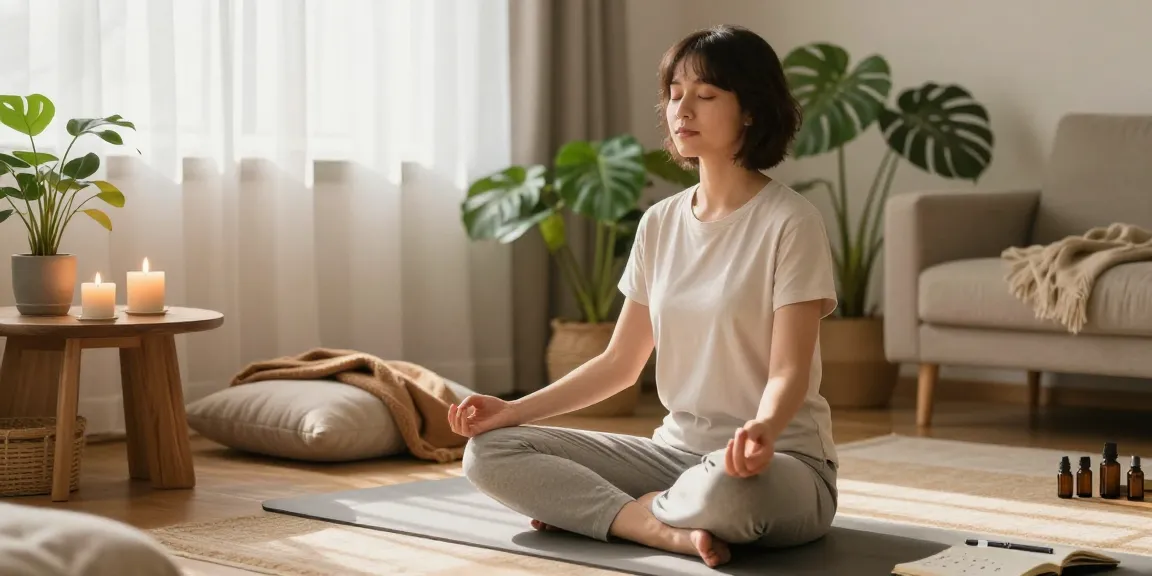
Mental wellness involves the cognitive aspect of health, focusing on emotional well-being and the ability to cope with stressors effectively. Techniques such as mindfulness and meditation have surfaced as popular methods for enhancing mental wellness. These practices allow individuals to cultivate self-awareness, reduce anxiety, and promote a sense of calm in their everyday lives.
Emotional Wellness: Building Healthy Relationships
Emotional wellness is deeply intertwined with our social interactions and relationships. Building healthy relationships with family, friends, and community members fosters emotional resilience and provides support during challenging times. Engaging in open communication and setting boundaries are key components to enhancing emotional wellness and maintaining a balanced life.
Innovative Strategies for Implementing Wellness in 2026
Utilizing Technology for Enhanced Wellness Tracking
As technology advances, the landscape of wellness will continue to evolve. In 2026, individuals will increasingly rely on wearable technology and health apps to track their wellness journeys. These innovative tools facilitate real-time monitoring of vital health metrics, enabling users to make informed decisions about their health lifestyle.
Building a Personalized Wellness Plan
Creating a personalized wellness plan involves assessing individual health goals and crafting a strategy that aligns with those objectives. This could range from physical fitness routines to nutritional guidelines and mental wellness practices. Personalization ensures that wellness plans resonate on a deeper level, making it more likely for individuals to stick to their commitments.
Incorporating Community Support into Your Wellness Journey
Community support is essential for maintaining motivation and accountability in wellness endeavors. Groups such as fitness classes, meditation sessions, or wellness workshops provide a social environment that encourages individuals to pursue their wellness goals collectively. This communal approach not only fosters relationships but also enhances the overall wellness experience.
Real-World Examples of Successful Wellness Transformations
Case Studies of Individuals Who Embraced Wellness
There are inspiring stories of individuals who have successfully transformed their lives through wellness practices. For instance, a corporate executive's journey from burnout to a balanced lifestyle illustrates the profound impacts of prioritizing wellness. By integrating mindfulness practices and regular fitness routines, this individual reported heightened productivity and overall satisfaction in both personal and professional realms.
How Companies Are Promoting Wellness Among Employees
Recognizing the importance of wellness in the workplace, many companies are now implementing wellness programs aimed at enhancing employee health and morale. Initiatives such as flexible working hours, mental health resources, and fitness incentives not only promote individual well-being but also foster a more productive work environment.
Lessons Learned from Wellness Initiatives Around the World
Global wellness initiatives reveal a rich tapestry of practices that can inspire local adaptations. Countries like Finland, known for their emphasis on work-life balance, and Japan, with their focus on community wellness, showcase how cultural contexts can influence wellness practices. These lessons encourage individuals and organizations to adopt holistic approaches tailored to their unique environments.
Future Trends in Wellness and Their Implications
Emerging Research on Wellness Practices for 2026
Research continues to unveil new dimensions of wellness, particularly the interplay between genetics, environment, and lifestyle choices. Future studies are expected to refine our understanding of how different practices can be optimized for better health outcomes. For instance, advancements in biotechnology may allow for personalized medicine approaches that align closely with wellness strategies.
The Role of Sustainability in Future Wellness Approaches
As the world increasingly grapples with sustainability challenges, future wellness practices will likely integrate environmental considerations. Sustainable living practices, such as reducing waste and supporting eco-friendly products, will become more prominent as individuals recognize the connection between environmental health and personal well-being.
How Global Events Are Shaping Wellness Trends
Events such as pandemics, economic fluctuations, and social movements are shaping wellness trends in profound ways. The COVID-19 pandemic, for instance, has accelerated the adoption of digital health tools and highlighted the need for mental health resources. As we look ahead, the landscape of wellness will continue to be shaped by these global dynamics, requiring adaptability and innovation at every level of health management.
What are the best wellness practices for beginners?
For beginners looking to embark on a wellness journey, starting small can pave the way for lasting change. Simple practices such as daily walking, journaling for mental clarity, and mindful eating can serve as effective entry points into wellness. Establishing a routine that incorporates these elements can help individuals gradually build momentum.
How can I incorporate mindfulness into my daily routine?
Incorporating mindfulness into daily routines can be as simple as setting aside a few minutes each day for meditation or deep-breathing exercises. Other techniques include practicing gratitude through journaling and being present during everyday activities, such as eating or walking. These small adjustments can significantly enhance mental clarity and emotional wellness.
What are the benefits of using essential oils for wellness?
Essential oils have gained popularity for their therapeutic properties, offering benefits such as stress relief, improved sleep quality, and emotional balance. Incorporating essential oils into wellness routines can be done through diffusion, topical application, or even adding them to bathwater. Their aromatic qualities can create a soothing environment conducive to relaxation and well-being.
How has wellness changed in recent years?
In recent years, the concept of wellness has evolved significantly, incorporating a more holistic approach that goes beyond physical health. The growing emphasis on mental health and emotional well-being has led to wider acceptance of practices like meditation, therapy, and mindfulness in mainstream culture. As our understanding of wellness continues to expand, more individuals are likely to embrace this comprehensive perspective.
What trends should I look for in wellness in 2026?
Looking ahead to 2026, trends in wellness are expected to include a greater emphasis on technology-driven health solutions, personalized wellness experiences, and sustainability. Emerging research will likely further unravel the complexities of human health, enabling individuals to pursue wellness strategies that are tailored specifically to their needs and lifestyles. Staying informed about these trends can help individuals proactively engage with their health journey.